The University of Melbourne came to IPER (an Explanimate! brand) with a research story worth sharing.
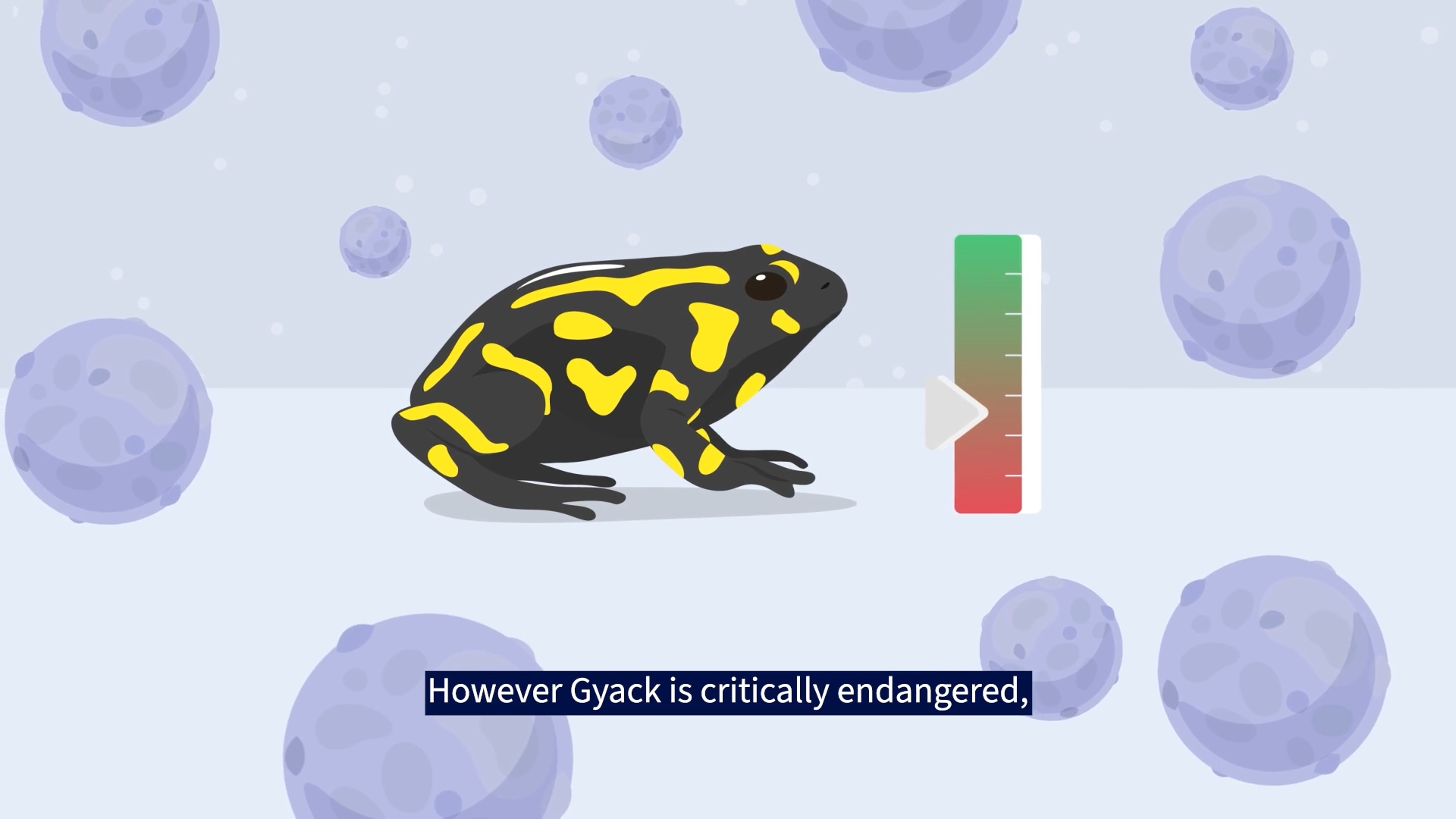
At the centre of it was the corroboree frog, an iconic Australian species found only in the High Country. Known as Gyack to the Wolgalu and Wiradjuri People, this tiny frog carries big cultural and environmental significance.
Unfortunately, mostly due to an introduced fungal disease called chytrid, Gyack is critically endangered.
Tiny frog. Enormous stakes. Very rude fungus.

The goal was to help share and spread awareness of the research findings in a way that felt clear, engaging and easy to understand.
The science was complex: captive breeding, reintroduction programs, chytrid fungus, DNA editing, embryos and inherited resistance.
So the strategy was to create a simple educational story that moved step by step: what the frog is, why it is at risk, what scientists are exploring, and how the research could support future populations.
No dense research paper energy. No “please enjoy this 64-slide conference deck.”
Just a clear story about a critically endangered species and the people working to help it survive.
The creative idea centred on making the research visible.
The animation follows the corroboree frog from Country, into the threat of chytrid, then into the lab where scientists explore whether editing the frogs’ DNA could help make them more resistant to the disease.
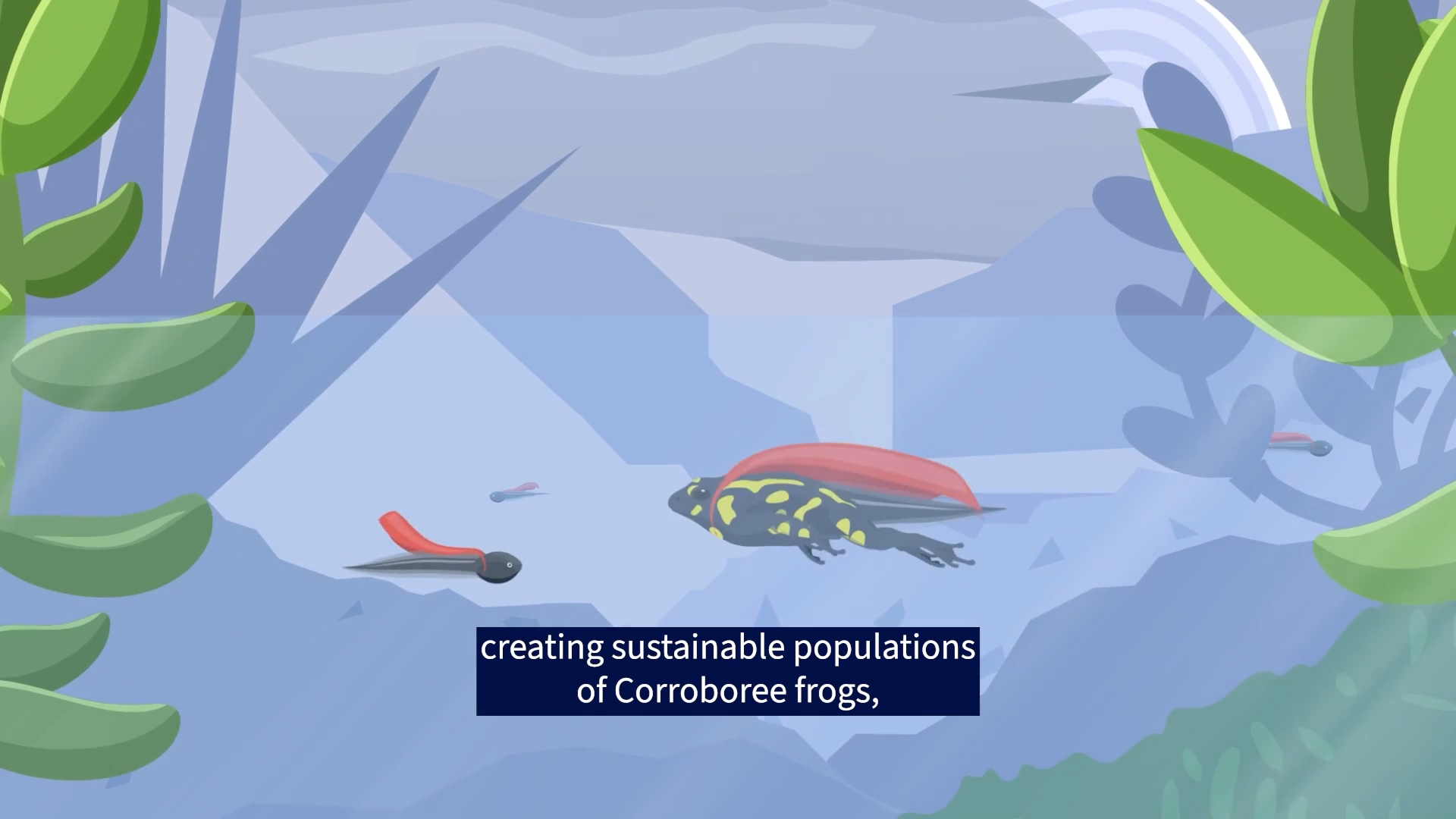
The story needed to explain the science without making it feel cold or disconnected from the frog itself. So the video kept returning to the living outcome: sustainable populations of corroboree frogs that could one day thrive again on Country.
Also, baby frogs in superhero capes.
Because sometimes the science really does call for tiny amphibian hero energy.
The visual style needed to balance scientific clarity with warmth and care.
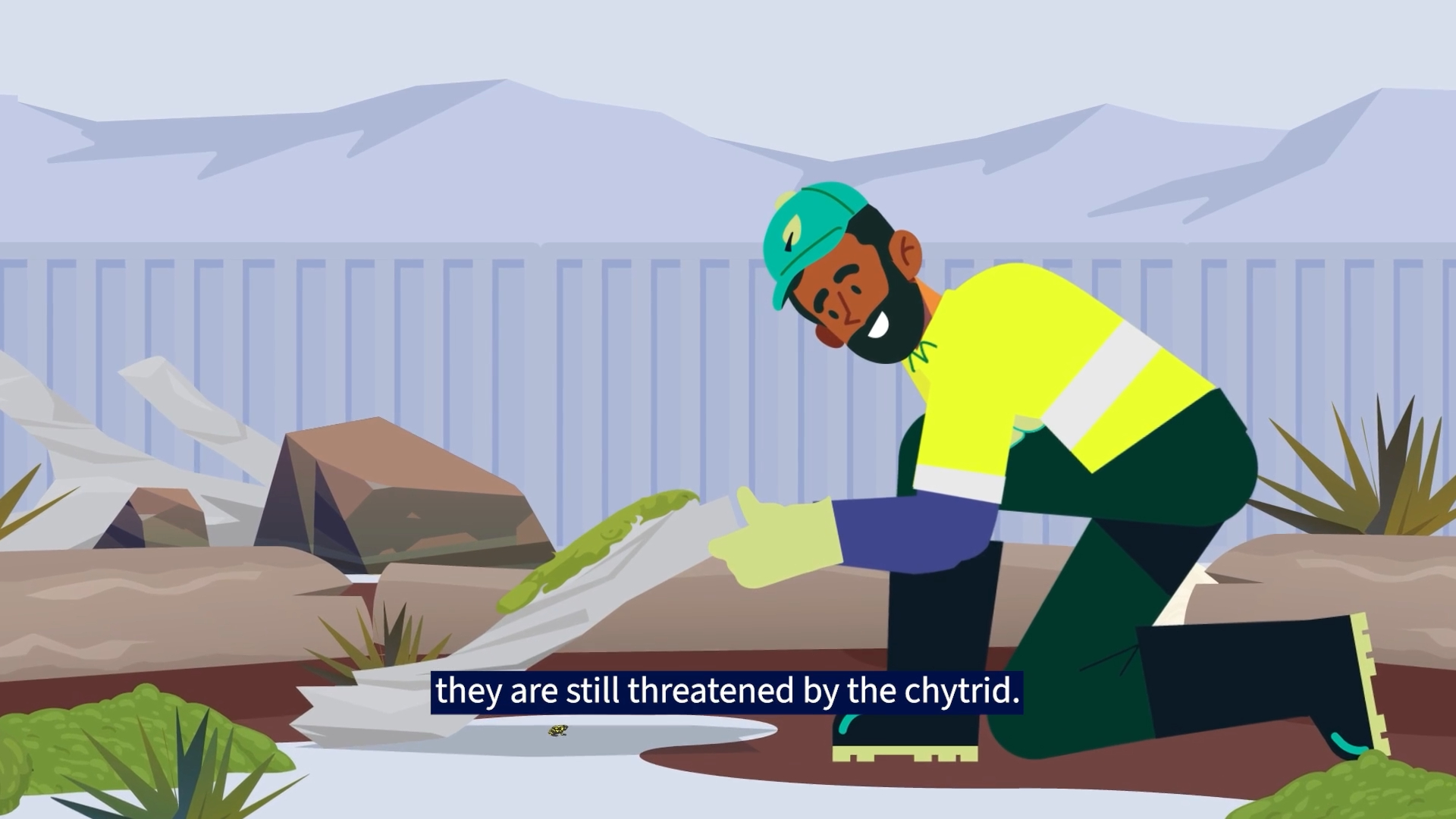
Maps, frog enclosures, microscopes, DNA helixes, embryos and High Country landscapes helped guide the audience through the research journey. Each visual had a job: explain the threat, show the possible solution, and keep the story connected to place.
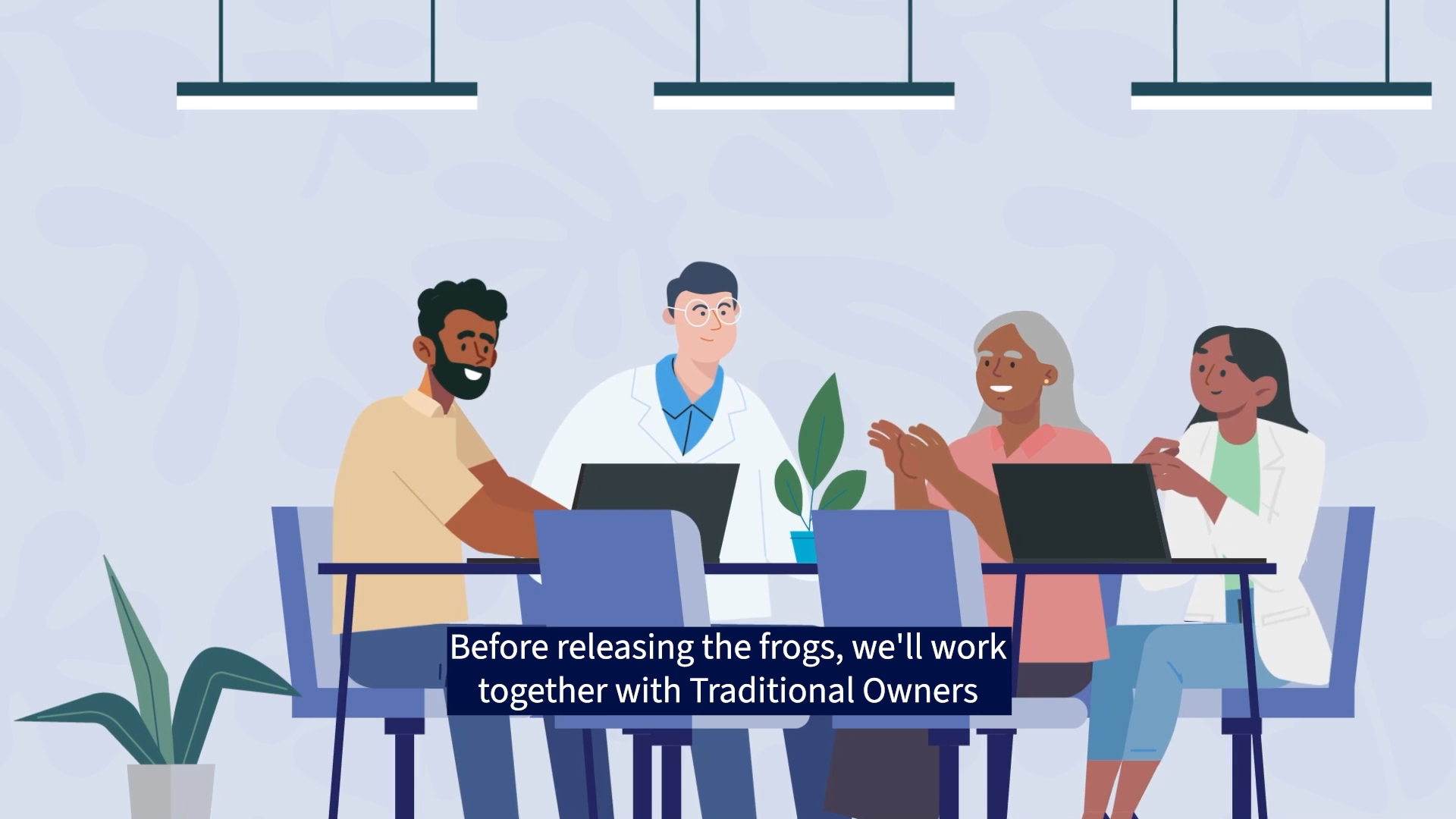
The animation also needed to respect the role of Traditional Owners and broader partners, showing the research as collaborative, careful and responsible.
Less “mad scientist saves frog.”
More “science, Country, culture and conservation working together.”
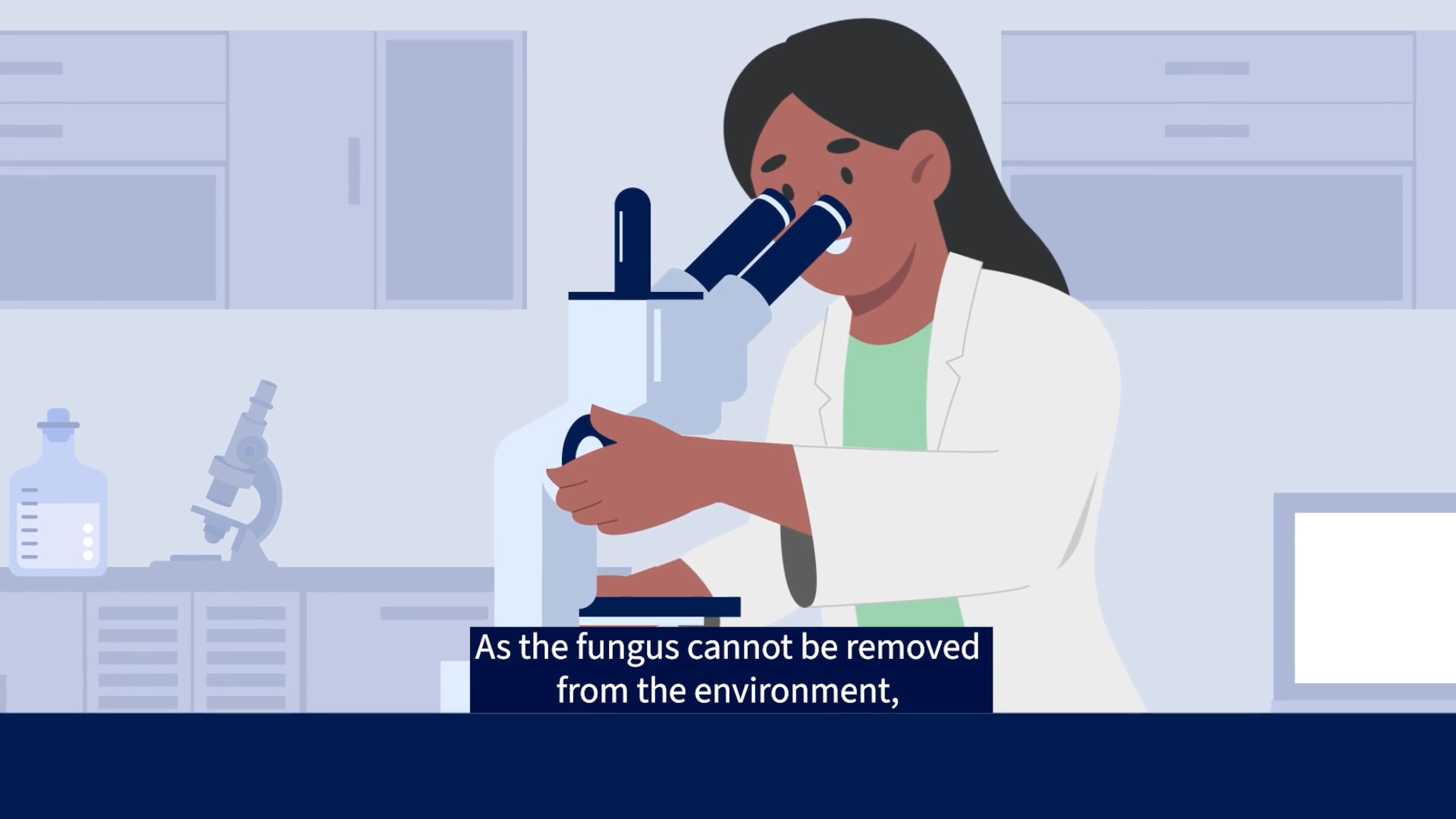
Refinement focused on making the research understandable without oversimplifying it into mush.
The team shaped the message so the audience could follow the logic: chytrid cannot simply be removed from the environment, so scientists are investigating ways to help frogs survive infection.
The language and visuals had to be clear, but also careful. This was still research, not a magic wand. Or, in this case, a magic frog cape.
Every moment needed to support trust: the frogs would be checked carefully, regulations would be followed, and any release would need to be done safely and responsibly.
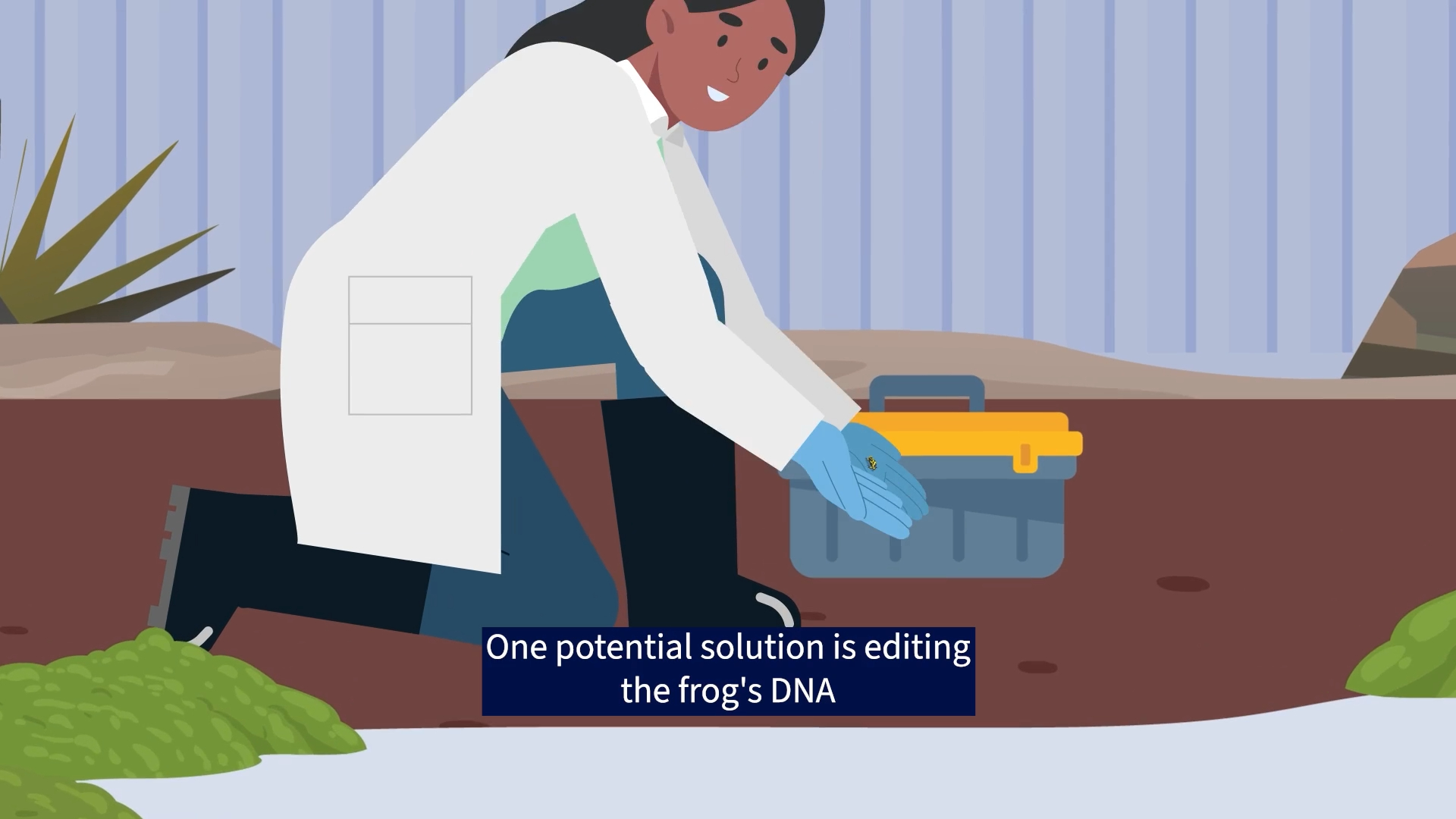
The final animation gave the University of Melbourne a clear and engaging way to share important research findings with a broader audience.
It helped explain how DNA editing could potentially support the survival of one of Australia’s most iconic and vulnerable species, while keeping the story grounded in Country, collaboration and conservation.
Because when a frog this small carries a story this big, it deserves more than a footnote.
It deserves the spotlight.